
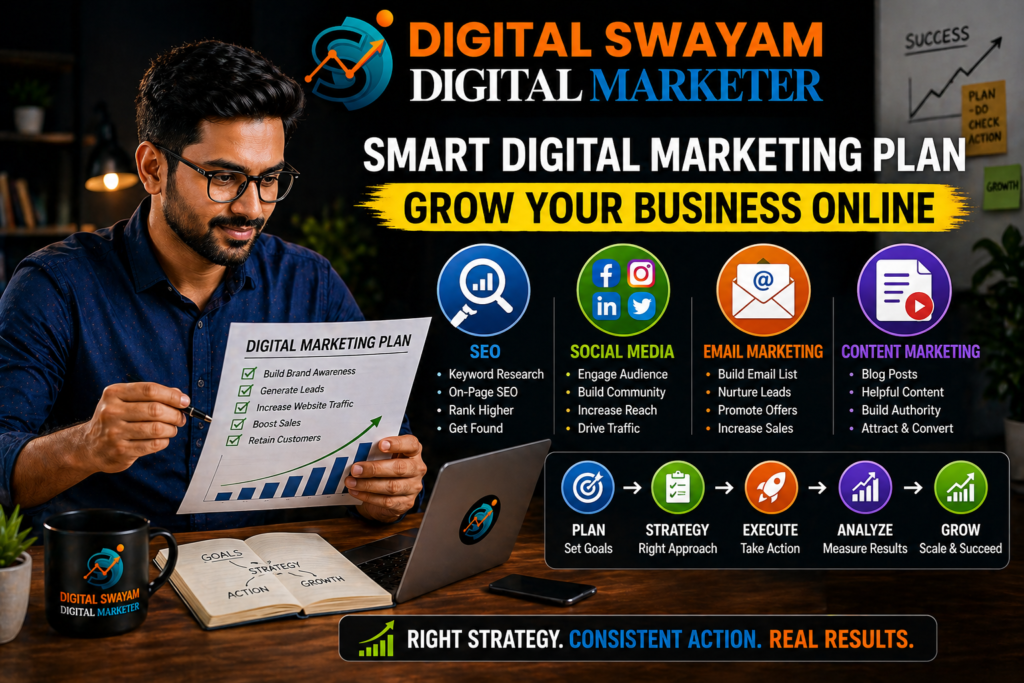
Small businesses today operate in an increasingly competitive digital environment, where standing out online is both a challenge and a necessity. Unlike large corporations with extensive marketing budgets, small businesses often need to be more strategic, focused, and efficient with their efforts. The good news is that success in digital marketing is not just about spending more—it’s about using the right strategies in a smart and consistent way. With the right approach, even businesses with limited resources can build strong online visibility, attract the right audience, and generate meaningful growth. To stay competitive, it’s important to develop the latest digital marketing skills. Explore these 10 Digital Marketing Skills to Learn.
One of the most important foundations of digital marketing for small businesses is Search Engine Optimization (SEO). SEO helps your website rank higher on search engines like Google, making it easier for potential customers to find you when they search for products or services related to your business. By optimizing your website pages and blog content with relevant keywords, improving site structure, and ensuring a good user experience, you can gradually increase your organic traffic. The key advantage of SEO is that it brings in users who are already searching for what you offer, which means the traffic is highly targeted and more likely to convert into customers.
Content marketing works hand-in-hand with SEO and is another powerful strategy for small businesses. Instead of directly selling, content marketing focuses on providing value to your audience through informative and engaging content. This can include blog posts, how-to guides, FAQs, case studies, and more. When you consistently create helpful content, you not only improve your search rankings but also build trust with your audience. Over time, this positions your business as an authority in your niche, making customers more likely to choose you over competitors. Good content answers questions, solves problems, and guides users through their decision-making process.
Social media marketing is also essential for building a strong online presence. Platforms like Instagram, Facebook, and LinkedIn allow small businesses to connect directly with their audience in a more personal and engaging way. Through regular posts, stories, and interactions, businesses can showcase their brand personality, share updates, highlight customer experiences, and promote their products or services. Social media is not just about posting content—it’s about building relationships and creating a community around your brand.
Email marketing remains one of the most effective and underrated digital marketing strategies. While social media platforms are important, they are controlled by algorithms, which means your reach can vary. Email, on the other hand, gives you direct access to your audience. By building an email list and sending regular newsletters, updates, or offers, you can stay connected with your leads and customers. Personalized emails can nurture relationships, encourage repeat business, and increase customer loyalty over time. It is a low-cost strategy with high potential returns when done correctly.
Paid advertising is another powerful tool, especially for businesses looking for quicker results. Platforms like Google Ads and social media advertising allow you to target specific audiences based on location, interests, behavior, and demographics. This ensures that your ads are shown to people who are more likely to be interested in your offerings. While paid ads require investment, they can deliver immediate traffic, leads, and sales when campaigns are properly optimized. For small businesses, even a modest budget can generate strong results if used strategically.
What truly drives success is the integration of all these strategies. SEO brings in long-term organic traffic, content marketing builds trust and authority, social media increases engagement and brand awareness, email marketing strengthens relationships, and paid ads provide quick visibility and results. When these channels work together, they create a powerful digital ecosystem that supports consistent growth.
In 2026, digital marketing is not just an option for small businesses—it is a necessity. Customers rely on online research before making decisions, and businesses that fail to establish a strong digital presence risk falling behind. However, those who focus on smart strategies, consistent effort, and delivering real value to their audience can compete effectively, regardless of their size.
In conclusion, small businesses do not need massive budgets to succeed in digital marketing. What they need is clarity, strategy, and consistency. By focusing on SEO, content creation, social media engagement, email communication, and targeted advertising, they can improve their visibility, generate quality leads, and achieve sustainable growth in an increasingly competitive online world. If you want to learn and apply these strategies practically, visit Grow Digital Institute.